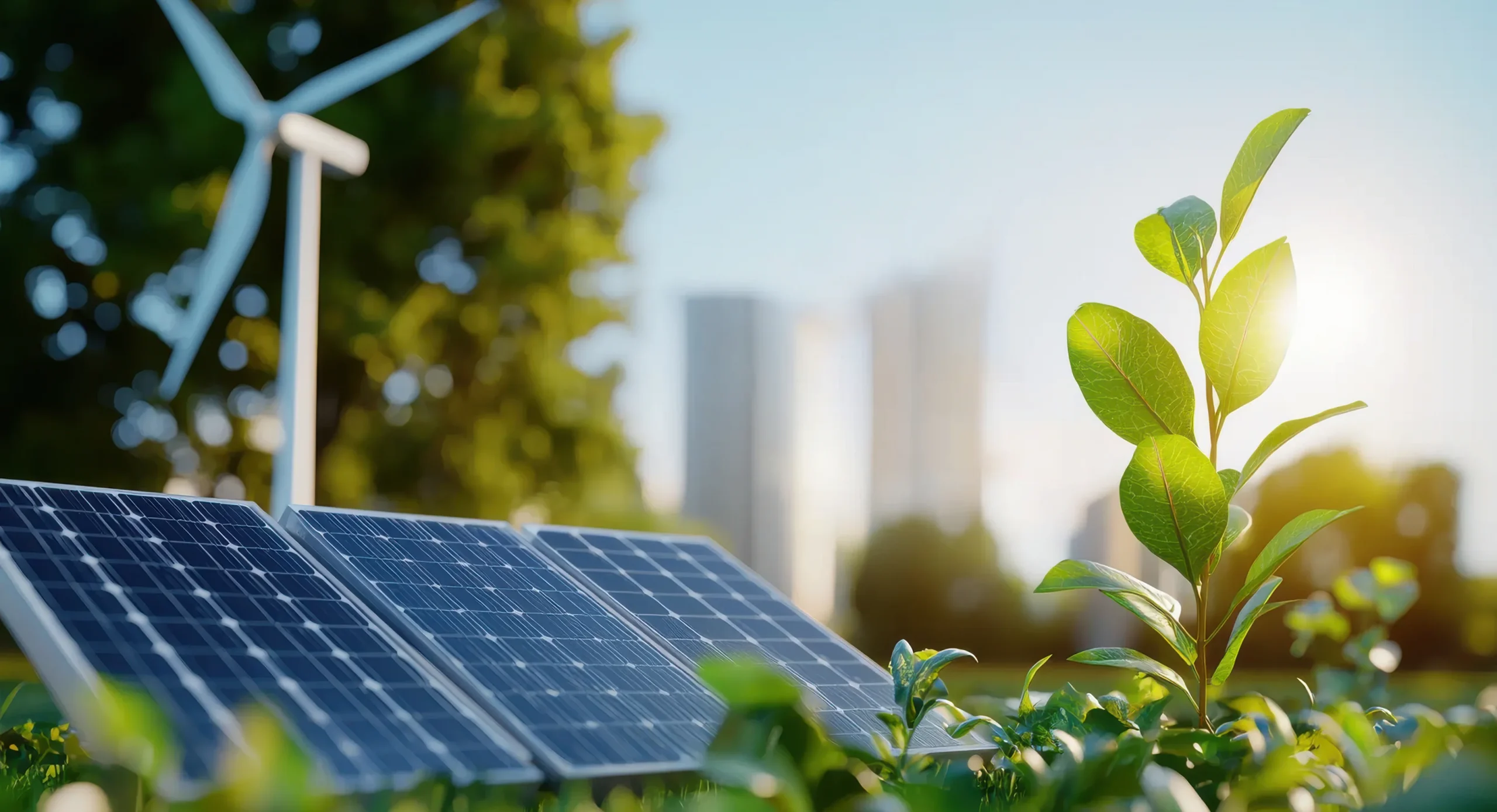
The global energy landscape is changing as communities, businesses, and governments look for cleaner alternatives to conventional fossil fuels. Renewable energy technologies use naturally replenished resources such as sunlight, wind, flowing water, organic materials, and heat from the Earth to produce useful energy. Unlike finite fuels, these resources can support long-term energy production when they are responsibly managed. Solar panels on rooftops, wind turbines across open landscapes, hydropower facilities near rivers, and geothermal systems beneath the ground are all examples of this transition. The growth of these technologies is also creating opportunities for innovation, energy independence, and new employment. As electricity demand increases because of digital services, electric transportation, and modern infrastructure, renewable solutions can help create a more flexible and resilient energy system.
What Are Renewable Energy Technologies?
Renewable energy technologies are systems and equipment designed to capture energy from resources that naturally regenerate. Their purpose is to convert natural energy into electricity, heat, fuel, or other useful forms of power. Some technologies are highly established, while others are developing rapidly through research and investment.
Solar photovoltaic systems convert sunlight directly into electricity, whereas solar thermal equipment uses sunlight for heating. Wind turbines transform moving air into electrical power, while hydropower uses the movement of water. Biomass systems obtain energy from organic materials, and geothermal technologies tap into underground heat. Modern energy storage, smart grids, and advanced power-management systems are increasingly important because they help integrate renewable generation into electricity networks.
Major Types of Renewable Energy Technologies
Solar Energy Systems
Solar energy is one of the most accessible renewable resources because sunlight reaches homes, businesses, farms, and large areas of unused land. Photovoltaic panels generate electricity when sunlight interacts with semiconductor materials. Solar thermal technologies, meanwhile, can provide hot water and heating for residential, commercial, and industrial applications.
Solar systems can range from small rooftop installations to large utility-scale projects. Their modular nature makes them suitable for locations with different energy requirements. Battery storage can further improve their usefulness by storing excess daytime electricity for later consumption.
Wind Energy Technology
Wind power relies on turbines with blades that rotate when exposed to moving air. The mechanical rotation drives a generator that produces electricity. Onshore wind farms are commonly built in areas with strong and consistent wind conditions, while offshore projects can take advantage of powerful coastal winds.
Modern turbines are becoming increasingly sophisticated, with improved blade designs, monitoring systems, and control technologies. Wind energy can provide substantial electricity without consuming fuel during operation, although project development requires careful consideration of land use, wildlife, transmission infrastructure, and local conditions.
Hydropower Technology
Hydropower converts the movement of water into electricity. Traditional facilities often use dams and reservoirs, while run-of-river projects can generate power using naturally flowing water with less dependence on large reservoirs. Pumped-storage hydropower is another important technology because it can store electricity by moving water between reservoirs at different elevations.
Hydropower can deliver dependable electricity and, in suitable locations, help balance variable sources such as solar and wind. However, large projects can affect ecosystems, communities, river flows, and surrounding landscapes, making responsible planning essential.
Geothermal Energy
Geothermal systems draw upon heat stored beneath the Earth’s surface. In regions with suitable geological conditions, geothermal resources can provide electricity or direct heating. Unlike solar and wind generation, geothermal power can operate continuously when properly designed and managed.
Geothermal heat pumps are also useful for buildings because they exchange heat with the relatively stable temperature of the ground. Although drilling and exploration can make geothermal projects expensive, the technology offers valuable potential where underground heat resources are accessible.
Biomass Energy
Biomass technology uses organic materials such as agricultural residues, forestry by-products, and certain forms of organic waste to produce heat, electricity, or fuels. Depending on the process, biomass can be burned directly, converted into biogas, or processed into liquid fuels.
Its sustainability depends heavily on how resources are produced and managed. Using waste materials efficiently can provide an energy benefit while reducing disposal problems. However, poorly managed biomass production can create environmental pressures, so sourcing and lifecycle impacts must be considered.
A digital publication project such as fancyfontchanger.com may also explore sustainability-related themes, but renewable infrastructure itself depends on practical engineering, suitable resources, and long-term planning rather than digital awareness alone.
Renewable Energy Technologies at a Glance
| Technology | Main Resource | Common Application | Key Advantage |
|---|---|---|---|
| Solar PV | Sunlight | Electricity generation | Scalable and widely applicable |
| Wind | Moving air | Grid electricity | Strong generation potential |
| Hydropower | Flowing water | Electricity and storage | Flexible and reliable |
| Geothermal | Underground heat | Power and heating | Consistent energy output |
| Biomass | Organic material | Heat, power, fuels | Can utilize organic waste |
Why Renewable Energy Matters
The transition toward renewable energy offers benefits beyond reducing dependence on fossil fuels. Locally generated renewable electricity can strengthen energy security by reducing exposure to fuel price fluctuations and imported energy. Distributed systems can also provide power closer to where it is consumed, potentially reducing pressure on transmission networks.
Renewable projects can stimulate economic activity through manufacturing, construction, installation, maintenance, engineering, and research. Small-scale systems can help households and businesses manage electricity expenses, while larger developments can support regional energy supply. When combined with efficiency measures and modern grids, renewable generation can contribute to a more diversified energy system.
A technology-focused website such as gplinkingscom.com can represent the broader digital environment surrounding modern innovation, while the actual deployment of clean power depends on equipment, infrastructure, skilled workers, financing, and effective energy policies.
The Role of Energy Storage
One of the biggest developments accompanying renewable generation is advanced energy storage. Solar and wind output can change according to weather and time of day, so storage can help match electricity supply with demand.
Lithium-ion batteries are widely used for short-duration storage, while other approaches are being developed for different requirements. Pumped-storage hydropower can provide large-scale energy storage, and emerging battery chemistries may improve performance, cost, safety, or resource availability.
Storage can serve several purposes:
- Shifting excess electricity to periods of higher demand
- Supporting grid stability
- Providing backup power
- Reducing dependence on peak electricity generation
- Improving the usefulness of variable renewable sources
Smart Grids and Digital Energy Management
Renewable power becomes more effective when paired with intelligent electricity networks. Smart grids use sensors, communication technologies, automation, and data analysis to monitor electricity flows and respond to changing conditions. These systems can help utilities coordinate generation, storage, electric vehicles, and consumer demand.
Smart meters can provide more detailed information about electricity consumption, allowing households and businesses to identify inefficient patterns. Automated demand-response systems can also shift certain electricity-intensive activities to periods when power is more readily available.
The broader technology ecosystem, including platforms such as itsttweakairline.com, demonstrates how digital services continue to expand across industries; similarly, energy management is becoming increasingly connected, automated, and data-driven.
Challenges Facing Renewable Energy
Despite rapid development, renewable energy adoption involves practical challenges. Initial investment can be significant, particularly for large infrastructure projects. Solar and wind facilities also require suitable locations, transmission connections, maintenance planning, and effective integration with existing electricity networks.
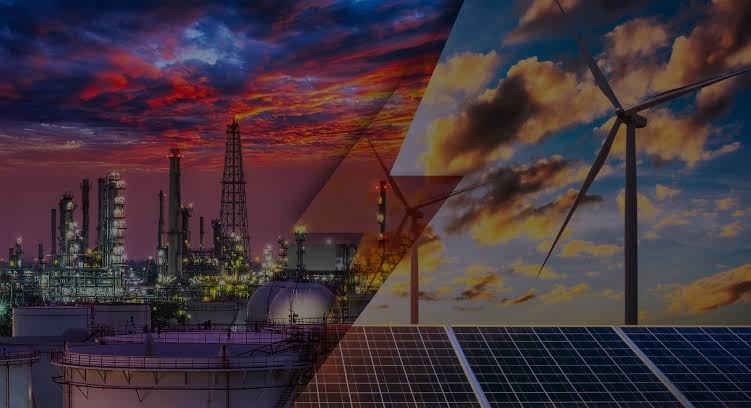
Another challenge involves the materials required to manufacture energy technologies. Responsible mining, recycling, equipment durability, and supply-chain resilience are therefore important parts of the transition. Renewable projects can also raise concerns related to land use, biodiversity, visual impacts, and local communities.
These issues do not eliminate the value of renewable energy, but they demonstrate why the transition requires thoughtful planning rather than relying on a single technology.
How Renewable Energy May Develop Further
The next stage of renewable energy innovation is likely to involve greater integration rather than one technology replacing everything else. Solar and wind generation can work alongside hydropower, geothermal resources, sustainable biomass, batteries, and other storage systems. Artificial intelligence and advanced forecasting may improve the ability to predict renewable generation and electricity demand.
Building-integrated solar systems, floating solar farms, improved offshore wind technology, advanced geothermal methods, and new storage concepts could expand the range of available solutions. Electrification of transportation, heating, and industrial processes may also increase the importance of renewable electricity.
The strongest energy systems will likely combine multiple resources according to local geography, infrastructure, economics, and demand.
How Individuals and Businesses Can Support the Transition
The renewable energy transition is not limited to utility companies. Homeowners can consider rooftop solar, efficient appliances, smart energy controls, and improved insulation. Businesses can evaluate energy audits, onsite generation, efficient equipment, and electricity procurement options.
Organizations can also reduce waste before adding new generation capacity. Improving efficiency often lowers energy demand and operating costs at the same time. For larger businesses, combining renewable electricity with storage and intelligent energy management can provide additional flexibility.
Consumers can contribute by learning how their electricity is generated, reducing unnecessary consumption, supporting efficient products, and considering renewable options where practical.
Conclusion
Renewable energy technologies are becoming an increasingly important part of the world’s energy future. Solar, wind, hydropower, geothermal, and biomass each offer distinct strengths, while batteries, smart grids, and digital controls make renewable systems more flexible and useful. The transition still faces challenges involving costs, infrastructure, materials, environmental impacts, and grid integration, but continued innovation is creating new ways to address these barriers. A sustainable energy future will not depend on one solution alone. It will require a balanced combination of clean generation, efficient consumption, reliable storage, intelligent networks, responsible resource management, and informed decision-making. As technology continues to advance, renewable energy can play a central role in creating a cleaner, more resilient, and increasingly diversified global energy system.